Healthcare & wellness
Easy to book. Careful with health information.
Patients and clients want to find the right practitioner and book in a few taps. We fix the booking links, forms and pages that make that harder than it should be.
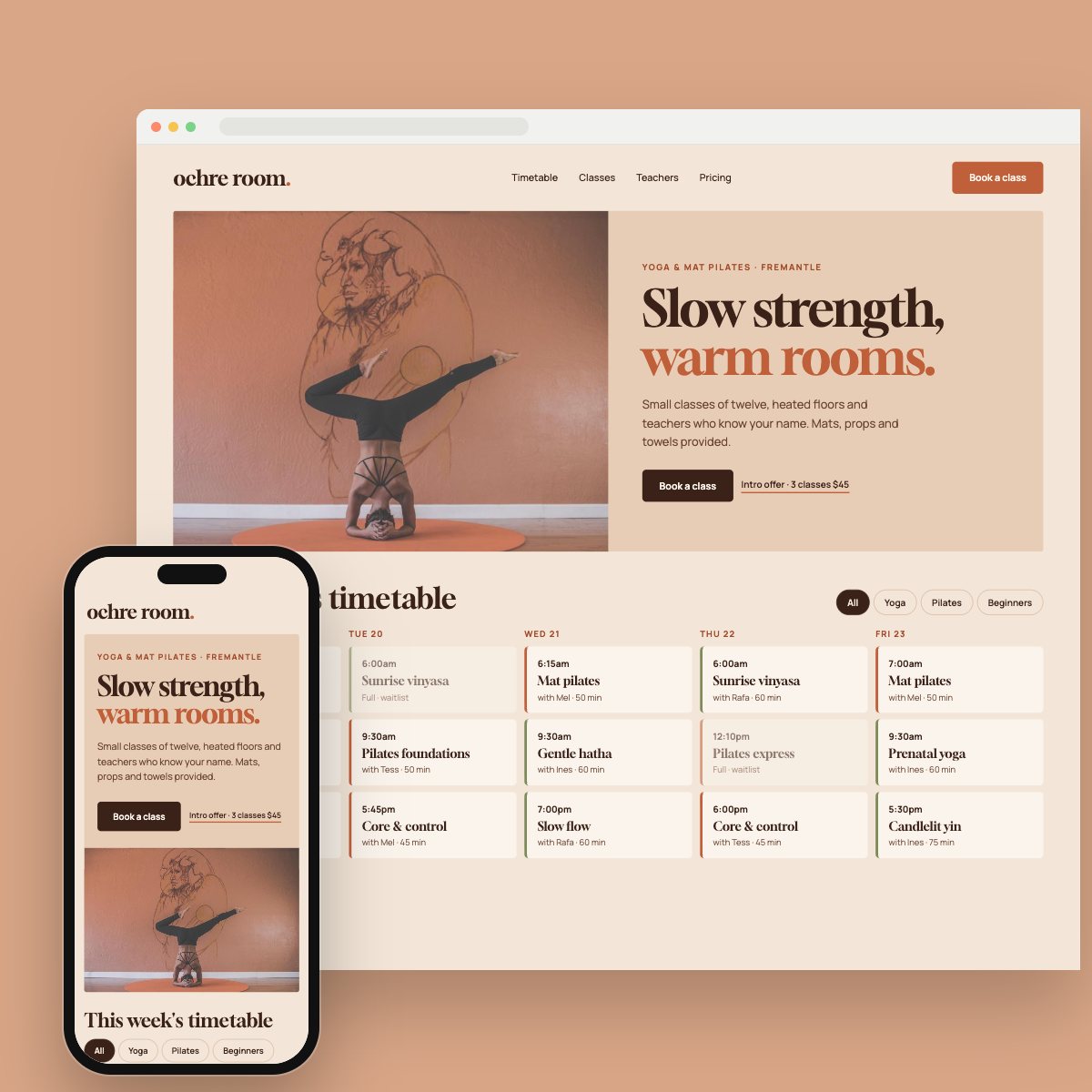
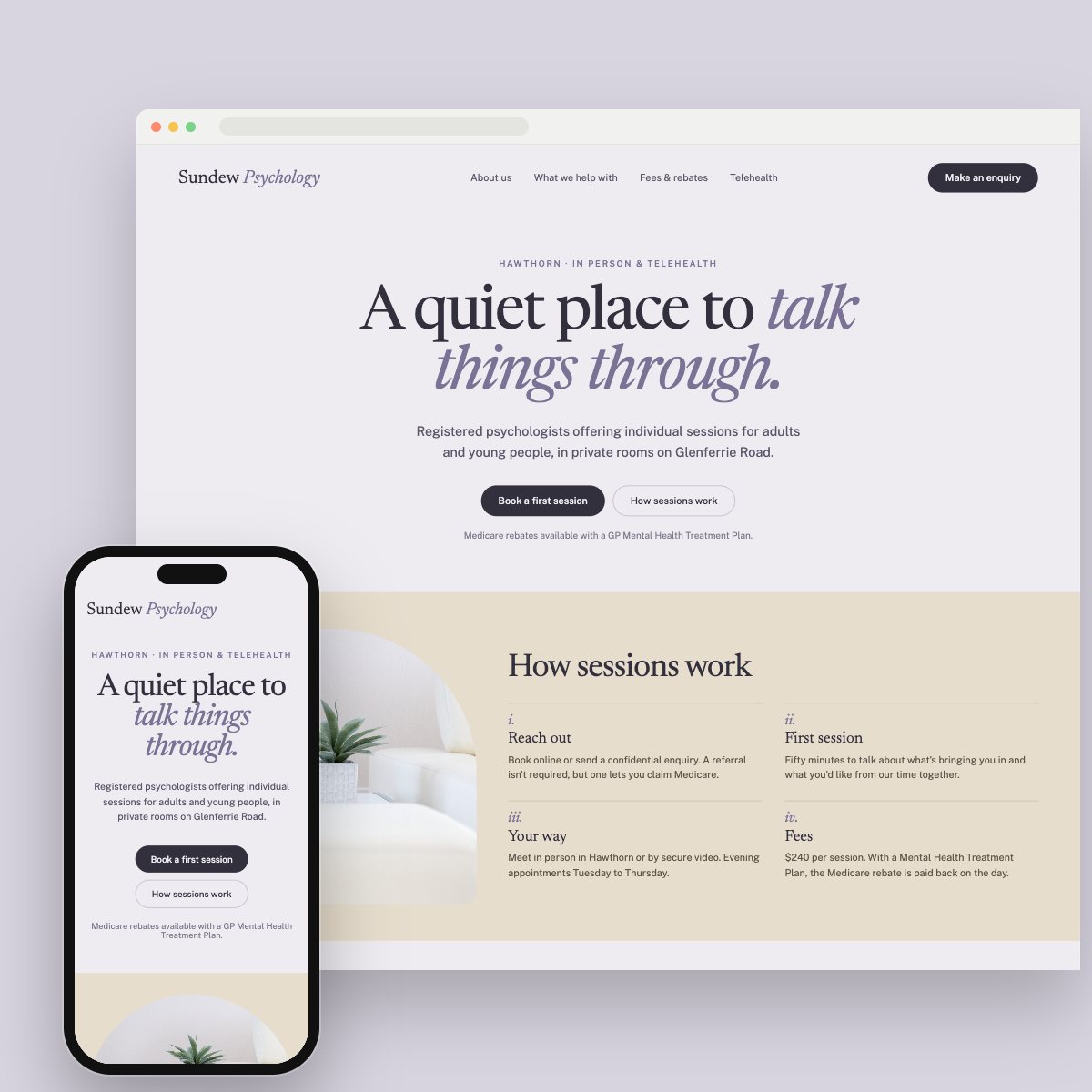
The problem
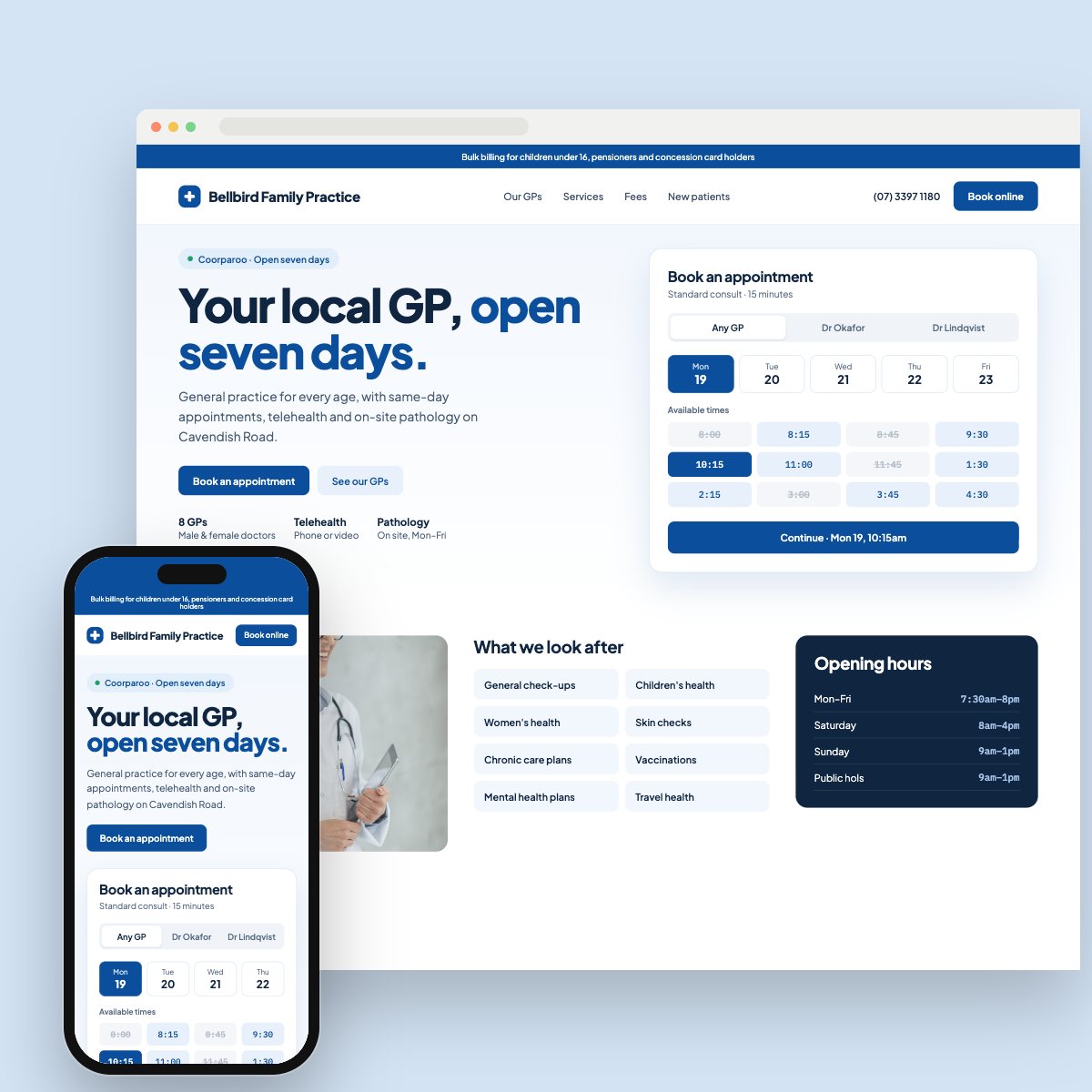
Health and wellness websites usually sit beside a practice management or booking system. The booking button is an embed or a link that someone set up once. When it breaks, or opens the wrong location, people ring instead — or go elsewhere. Practitioner pages fall out of date as staff change.
The bigger risk is how information is collected. Health information is sensitive under the Privacy Act, yet many clinic sites send intake details and symptoms through an ordinary contact form to a shared inbox. We fix the collection first, then the booking flow and pages around it.
What we watch for
- Health information is sensitive under the Privacy Act — we keep it out of plain email and minimise what is collected
- Booking reliability, including the right practitioner, service and location being preselected
- Advertising rules such as AHPRA’s for regulated health services — we build the pages, you and your advisers own the claims
- Accessibility, because patients include people with disability and older users
- Testimonials and before-and-after content, which you should check against the rules for your profession
Jobs we do for healthcare & wellness
Fix or embed online booking
Get Cliniko, HotDoc, Mindbody or similar booking working smoothly on every device.
Secure intake forms
Move intake out of plain-email forms into your practice system’s forms or a secure alternative.
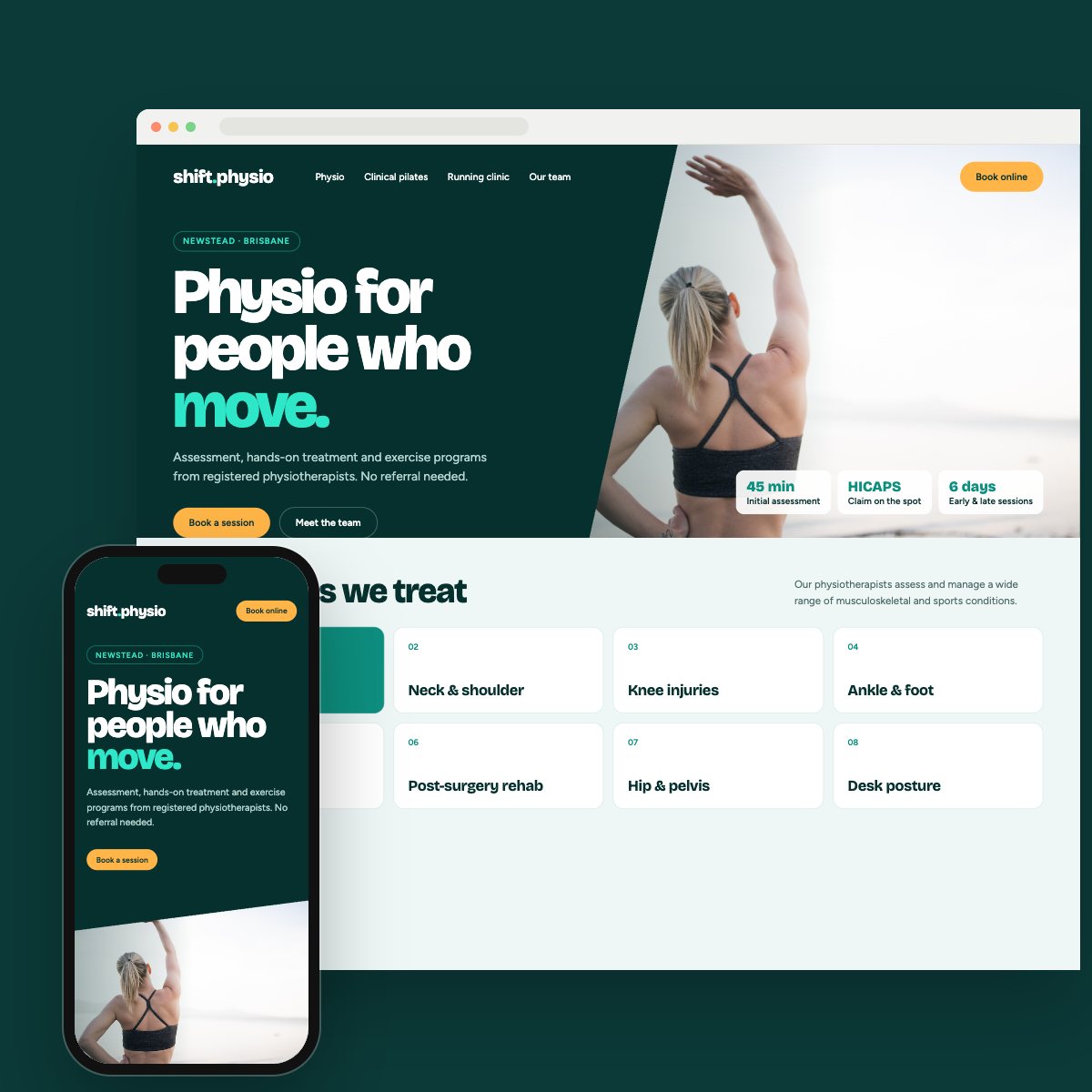
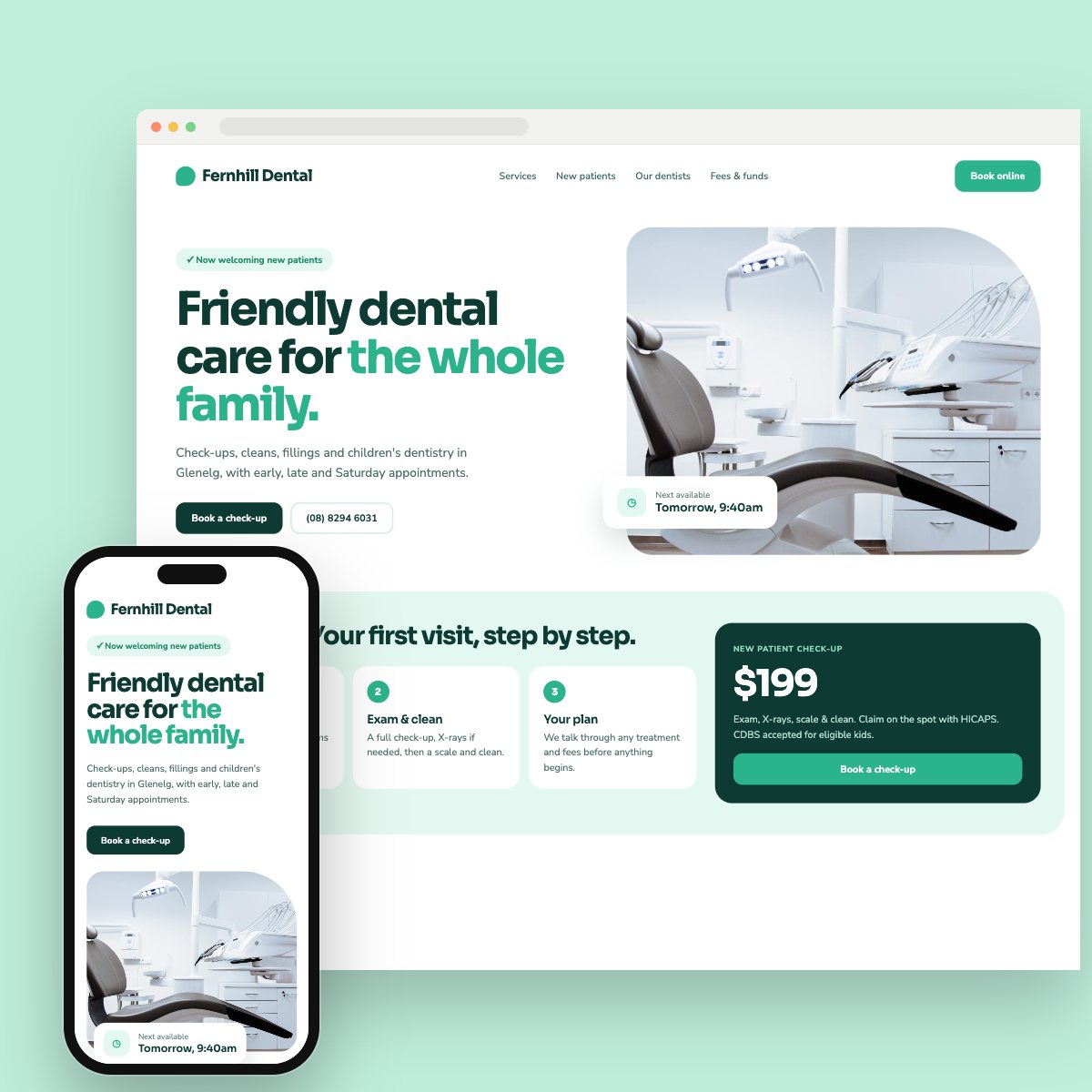
Practitioner and location pages
Structured pages for each practitioner and site, easy for staff to update.
Class and timetable displays
Show studio timetables from your booking platform instead of a pasted image.
Accessibility fixes
Make sure people with low vision, limited mobility or screen readers can book.
Speed and mobile fixes
Make the site quick on phones, where most bookings start.
Related services
Platforms we often see
Reading for healthcare & wellness
Scoping agent
Tell us what’s stuck.
Two minutes of guided questions. You get a plain-English brief, and a developer replies within one business day.
- Guided questions, not an AI chatbot
- A person reviews every brief
- Never asks for passwords or keys
No account. No sales script. Never asks for passwords or keys.
Healthcare & wellness / Straight answers
Before you ask.
How much does a clinic or allied health website cost?
Most clinic website jobs with us cost between $250 and $4,000 AUD, priced before work starts. Defined bug fixes start from $250. A small site of up to five pages is typically $2,500 to $4,000. Booking and form integrations usually land between $600 and $3,500, and accessibility audits of key flows start from $750. We quote from a written scope, with no retainer, so the price is agreed before anything changes.
How long does it take to fix online booking on a clinic website?
Most booking fixes take 1 to 5 business days, and integrations usually take 3 to 10 business days once access to your booking platform is confirmed. A small new site takes 2 to 4 weeks, depending on how ready your practitioner and service content is. We test bookings on real phones before anything goes live, and schedule changes outside your busiest clinic hours.
Can you connect Cliniko, HotDoc or Halaxy bookings to my clinic website?
Usually yes, through the platform’s booking embed, direct booking links or API where it offers one. We check what your system supports before quoting. Common fixes include buttons that open the wrong location, embeds that break on mobile, and links that do not preselect the right practitioner or appointment type. We also work with Nookal, Mindbody, Jane and HealthEngine, depending on what each platform allows.
Where should patient intake forms live on a health website?
Ideally inside your practice management system, which is built to store health information. Health information is sensitive under the Privacy Act, so an ordinary contact form that emails symptoms to a shared inbox is a poor fit. Many platforms, including Cliniko and Halaxy, have their own intake forms. We link or embed those where possible. If that will not work, we set up a secure alternative that collects only what you need.
Can you check our clinic website meets AHPRA advertising rules, including testimonials?
No, that judgement belongs to you and your advisers, not your developer. Advertising for regulated health services is covered by the National Law and AHPRA’s guidelines, which include restrictions on testimonials and claims about outcomes. We will flag content that looks worth checking, such as review widgets, before-and-after images or outcome claims, and make changes you have confirmed. We will not add review feeds or testimonials to your site without that confirmation.
How do clinics and allied health practices get found on Google locally?
Mostly through an accurate Google Business Profile for each location and clear location and practitioner pages that match it. We check that your name, address, phone and hours are consistent, add structured data for each clinic, make service pages fast and crawlable, and make sure the booking link on your profile goes to the right place. Technical SEO audits start from $600. Ongoing SEO campaigns and writing clinical content are outside what we do.
Will ChatGPT or Google’s AI recommend my clinic?
Nobody can promise that, but you can make your clinic easier for AI tools to describe accurately. They rely on information that is clearly stated online. We make sure your services, locations, practitioners, hours and booking options are written as plain text on fast, crawlable pages, with structured data, rather than in images or PDFs. What you claim on those pages still needs to sit within the advertising rules for your profession.
Does our clinic website need to be accessible and work well on phones?
Yes, it should, because patients include older people and people with disability, and most bookings start on a phone. Accessibility obligations under the Disability Discrimination Act may apply, and WCAG is the usual measure. Your adviser can confirm what applies to you. We test booking and forms with a keyboard and screen reader, fix contrast and labels, and speed up mobile pages. Accessibility audits of key flows start from $750.
Do we need a new clinic website, or can the current one be fixed?
Most clinic websites can be fixed rather than rebuilt, especially if the problems are booking links, forms, speed or out-of-date practitioner pages. We look at what is actually wrong and tell you plainly if a rebuild would be cheaper. If it would, a small site of up to five pages typically costs $2,500 to $4,000. Larger multi-site builds or patient apps are bigger than us.
Do you need access to our patient data or practice software?
No, we avoid patient data entirely wherever we can. We never ask for passwords. Access is through accounts you create on your website or booking platform, limited to what the job needs, and you remove it afterwards. Work stays in your accounts. We use test bookings and dummy data. We do not build apps that make clinical decisions, write clinical or advertising claims, or store health records ourselves.